
There are a number of ways to measure walkability--we've talked about Walk Score and Walk Appeal before--but none is more fitting for this time of year than the "trick-or-treat" test. Like the popsicle test, the trick-or-treat test uses the walking behavior of children to assess how walkable a neighborhood is. In a blog post for … Continue reading “Trick-or-treat test” another great way to measure walkability
Improving walkability through “placemaking”
One of the keys to walkability is that an area looks and feels like a good place to walk. There are many features that are typical of such places, in particular, cleanliness, well-maintained properties, the presence of other pedestrians, and low crime. To improve the perception of a place to pedestrians, certain small changes can … Continue reading Improving walkability through “placemaking”
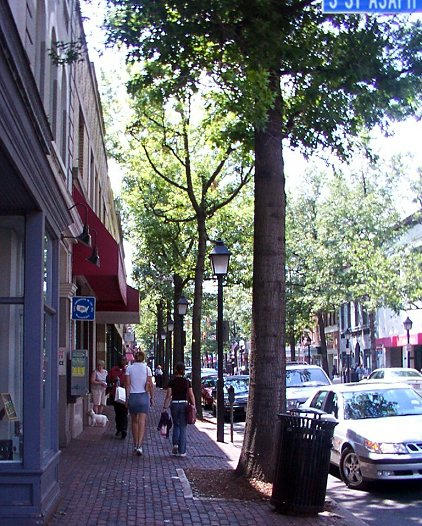
Article: Walkability is important to home buyers
It's no secret that people like walkable neighborhoods. There are a number of recent surveys, articles, and research studies that contribute to the growing body of evidence for this preference. As reported in this Good Magazine article, a survey conducted by the National Association of Realtors found that factors that contribute to walkability have become … Continue reading Article: Walkability is important to home buyers
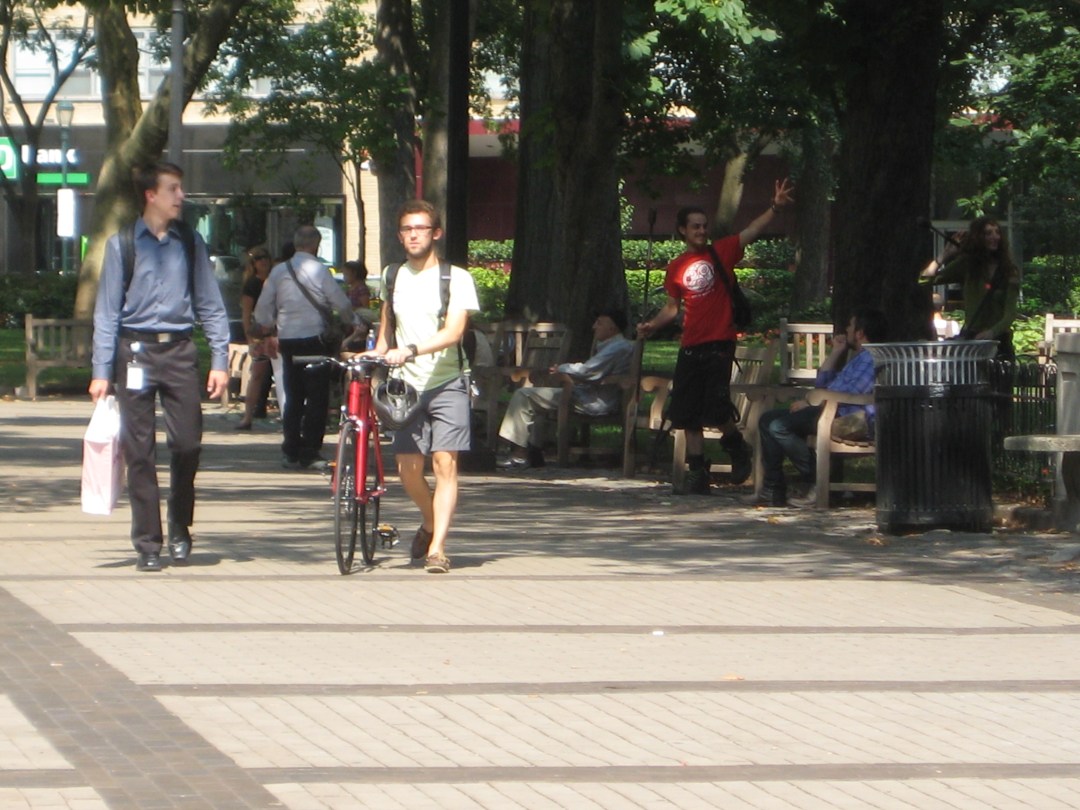
“Walk Appeal” affects how pedestrians interact with the built environment
The built environment has a huge influence on walkability. You probably have an idea of what features of a street make it more or less walkable, but have you given it much thought? There are a number of different frameworks that have been developed to guide the way we think about this. Some, such as … Continue reading “Walk Appeal” affects how pedestrians interact with the built environment
 Feet First Philly